 Back to News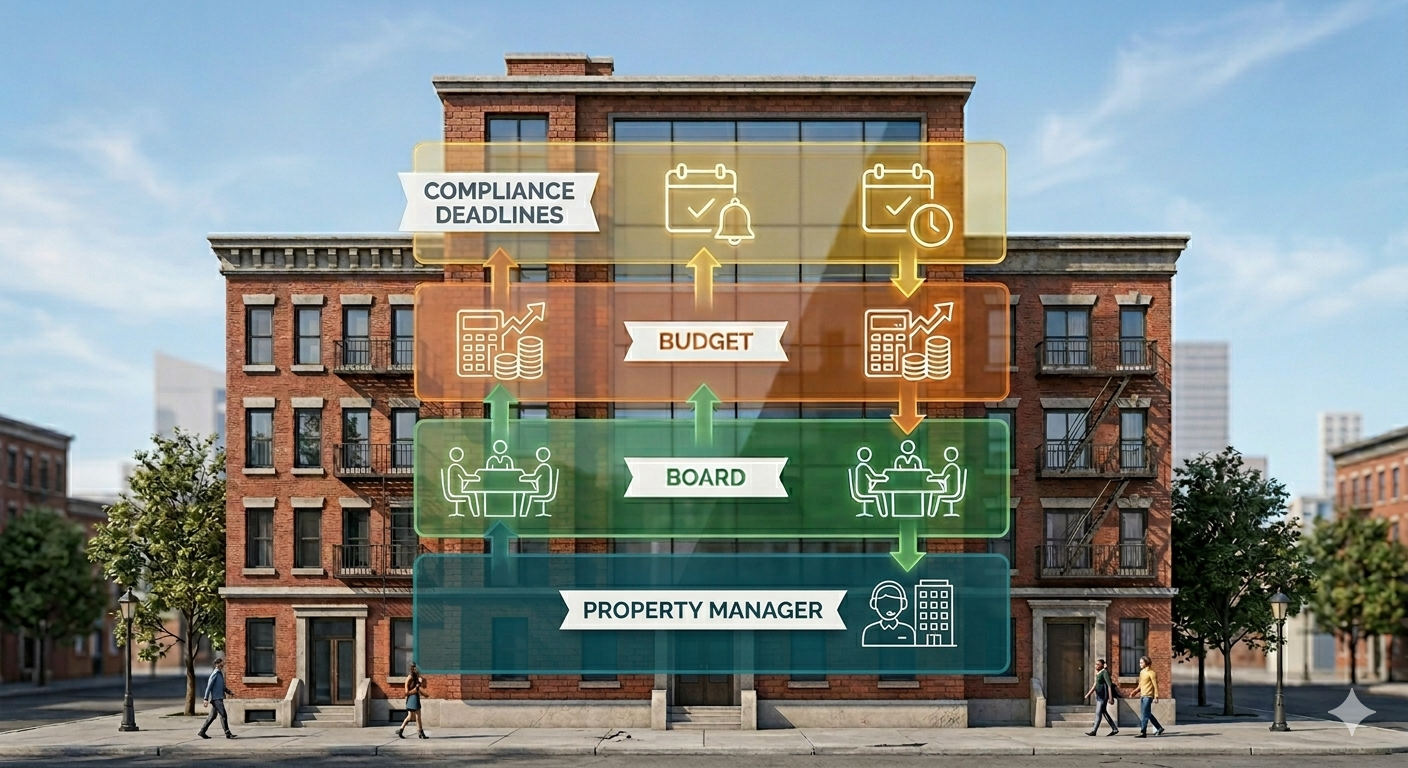
How Local Law 97 Compliance Actually Starts: The Conversations Most Buildings Aren’t Having
By Mitchell Karasik
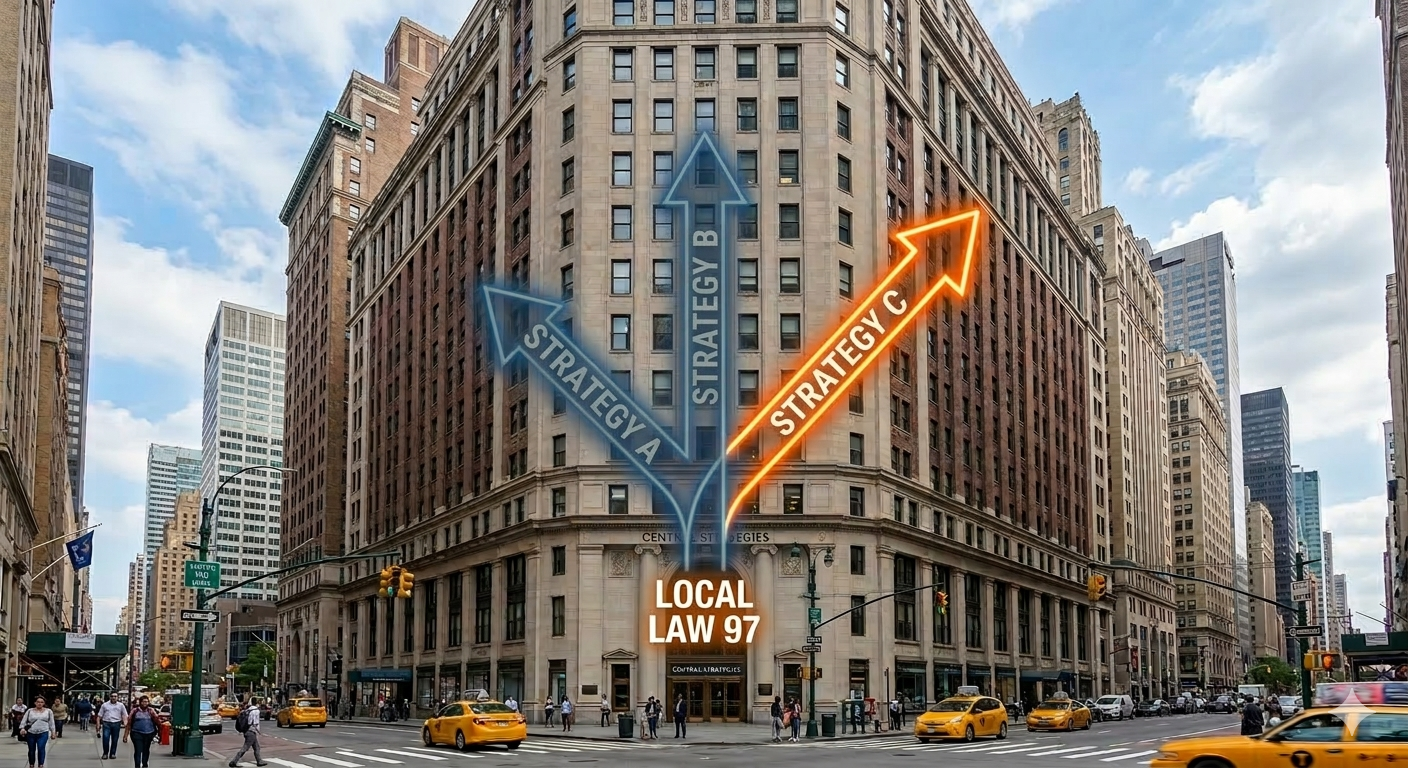
I am out talking to building owners, developers and property managers every day, and clearly right now Local Law 97 (LL97) is dominating these conversations. For every building that’s well on its way to 2030 compliance, there is one that is taking its first steps.
Regardless of where a building is in its journey, there is one constant: at some point, you will have to be in compliance. You can get a head start and have a smoother journey, or you can wait and risk limited, and often more expensive, options, or much worse, end up with a large penalty.
When people talk about Local Law 97 compliance, they usually focus on engineering. But in practice, building compliance doesn’t start with equipment decisions. It starts with conversations.
I say, let’s talk.
For most buildings, the first step toward Local Law 97 compliance planning is simply realizing the building is due. That realization usually happens when a property manager, board member, or owner learns their building appears on a compliance list or is approaching a required filing year.
At that point, the conversation shifts quickly from awareness to logistics:
- What do we need to file?
- Who handles it?
- What does this mean for our building?
- What is this going to cost?
Those early conversations are where most NYC building compliance strategy really begins.
It’s A Complex Conversation, Regardless of Where You Start
So, who is having these conversations? Well, that depends on what kind of building we are talking about. In multifamily buildings, the compliance conversation almost always starts with the property manager.
Property managers typically oversee multiple buildings and serve as the operational hub between ownership, boards, and vendors. When compliance deadlines approach, they are usually the first to flag the issue and begin gathering proposals.
But the conversation rarely stays with one person for long.
Depending on the building type, compliance planning can involve several stakeholders:
- Property managers
- Building owners
- Condo or co-op boards
- Facilities or operations teams
- Compliance officers
Once boards or ownership groups become involved, the conversation becomes more complex. Decisions move through committees, budgets, and competing priorities.
That’s when compliance stops being a regulatory issue and becomes a capital planning discussion.
Every building is going to have its own unique conversation about compliance, so the exercise of identifying all of the stakeholders based on your particular building is a crucial early step.
Early Reactions Are Usually Predictable
By now, most building teams know LL97 exists. The law has been on the books since 2019, and compliance deadlines are widely discussed across the industry.
But knowing the law exists and knowing how it applies to a building are two very different things.
When buildings first begin looking at their carbon compliance planning, the reactions tend to fall into a few predictable categories.
Some teams assume they still have plenty of time.
Others believe the law may change, be delayed, or ultimately be softened before the most significant compliance periods arrive. This can be a dangerous theory to hang your hat on. We always advise clients to work with the current laws as they stand today, because that’s what we know for sure, right now.
And some buildings simply put the issue aside because other operational priorities take precedence.
None of those reactions are unusual. Buildings manage constant regulatory requirements, capital projects, and operational challenges. Compliance planning often competes with a long list of other responsibilities.
The problem is that waiting too long can narrow the options available later.
Where Compliance Conversations Stall
The first compliance discussions rarely stall. Most buildings understand they need to submit required filings and basic reporting.
Where conversations slowdown is when the discussion turns to building decarbonization planning and capital improvements.
Three issues tend to create the biggest delays.
1. Budget reality
Once potential improvements are evaluated, building teams begin to see the scale of investment required.
Many carbon-reduction strategies involve significant capital expenditures. For buildings already managing other major projects, adding another potential multi-million-dollar initiative is not always feasible immediately.
2. Decision by committee
In condo and co-op buildings especially, compliance planning often requires board approval.
That process can take months while boards review proposals, compare vendors, and evaluate long-term costs.
3. “Why replace something that still works?”
This is one of the most common concerns in LL97 building compliance planning.
Many buildings have heating, cooling, or energy systems that still operate effectively. From an operational standpoint, replacing functioning systems can feel unnecessary.
But compliance planning isn’t only about equipment performance. It’s about how those systems affect the building’s carbon profile over time.
Reconciling those two perspectives can take time.
The Biggest Misconception About Local Law 97
One assumption still shows up regularly in early compliance conversations. Some building teams believe enforcement may never fully materialize.
Legal challenges, policy debates, and regulatory changes often lead people to assume the law could eventually disappear or be softened significantly. That mindset can delay planning.
But the reality is straightforward: LL97 is currently in effect, and buildings should plan accordingly. Waiting for the law to change is not a compliance strategy.
What Productive Compliance Planning Looks Like
The most productive conversations begin once building teams shift from speculation to planning.
That process usually starts with three steps.
First, understand the building’s actual position.
Accurate benchmarking, emissions calculations, and operational data are essential to understanding a building’s compliance outlook.
Second, identify financially sensible improvements.
Many energy efficiency measures reduce operating costs while improving the building’s emissions profile.
Third, develop a long-term plan.
Even if immediate upgrades aren’t possible, having a roadmap allows building teams to align future capital projects with compliance goals.
The most important thing any building can do right now is simply understand where it stands.
Once that happens, the compliance conversation becomes much easier.
Because at that point, it’s no longer about reacting to regulations.
It’s about running the building and compliance strategically.
Start With Clarity, Not Commitments
If your building hasn’t yet had this conversation, the most valuable first step is understanding where you stand.
Our team works with building owners and property managers to help clarify compliance position, identify realistic options, and support early-stage planning—without overcommitting to unnecessary work. Contact me to start a conversation:
- Call 914-263-1199
- Email info@enpg.com