 Back to News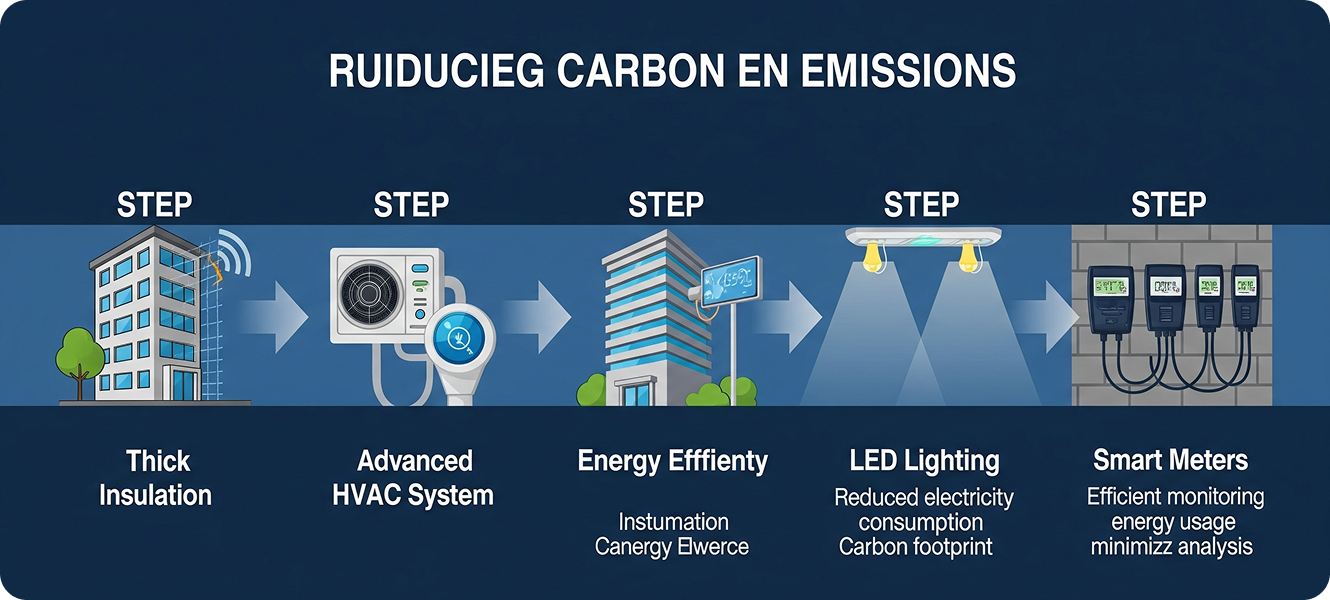
EN-POWER GROUP was featured in Habitat Magazine for its guidance on how co-op and condo boards can begin reducing building carbon emissions in response to New York City’s Climate Mobilization Act and upcoming Local Law 97 deadlines.
Context: Why Carbon Planning Must Start Now
Buildings are New York City’s largest source of greenhouse gas emissions, which is why the Climate Mobilization Act requires most large residential buildings to significantly reduce carbon output in the coming years. The first major compliance deadline arrives at the end of 2024, leaving boards with limited time to understand their emissions profiles and plan meaningful reductions.
The initial and most critical step for any building is establishing a clear baseline of current carbon emissions.
EN-POWER GROUP’s Perspective
In the article, Michael Scorrano, Founder and Managing Director of EN-POWER GROUP, emphasized that accurately calculating emissions is foundational to any successful compliance strategy. While boards may attempt to perform these calculations internally, the process relies on complex formulas and benchmarking data already reported under Local Laws 84 and 133 using the EPA’s ENERGY STAR Portfolio Manager.
Engaging professionals who understand both benchmarking and emissions accounting can help ensure accuracy and provide clarity on where reductions will have the greatest impact.
Building a Practical Reduction Strategy
Once a building understands its current emissions, the next step is developing a strategy. As Scorrano noted, no single measure solves the problem. Most buildings require a combination of operational improvements and capital projects phased over time.
Typical projects that can reduce emissions include:
-
Heating system upgrades
-
Ventilation and air-conditioning improvements
-
Boiler replacements
-
Absorption chiller replacements
-
Cogeneration or combined heat and power systems
Additional options may include solar installations, green roofs, electrification through heat pumps, trigeneration systems, and battery energy storage, depending on building conditions and long-term goals.
Why This Matters for Co-op and Condo Boards
This feature reinforces that carbon reduction is not a one-time decision but a multi-year planning effort. Boards that start early can align emissions reductions with routine capital improvements, manage costs more effectively, and avoid rushed decisions as compliance deadlines approach.
By understanding where emissions originate and sequencing upgrades thoughtfully, buildings can reduce risk while positioning themselves for long-term operational and environmental benefits.
Media Attribution
This topic was originally featured in Habitat Magazine on December 20, 2019.
[Read the full article on Habitat Magazine →]