EN-POWER GROUP Featured in Habitat Magazine on Free Cogeneration to Cut Emissions and Local Law 97 Fines

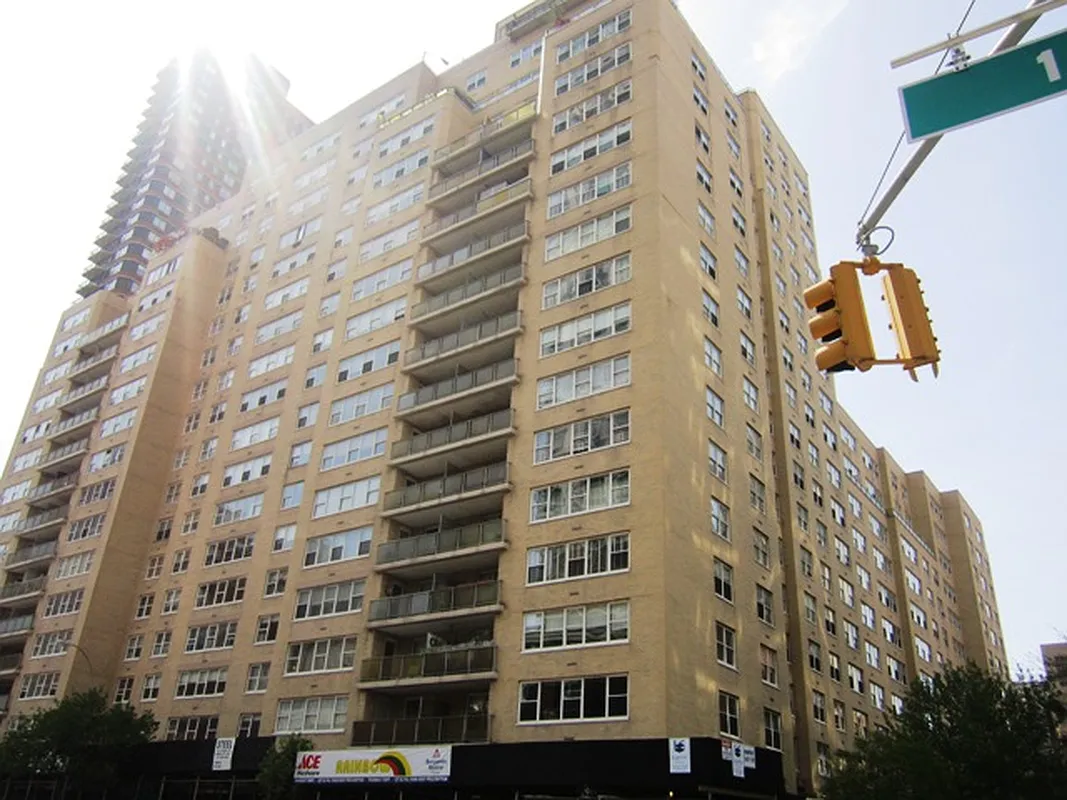
EN-POWER GROUP was featured in Habitat Magazine for guiding the board of One Hanson Place, a landmarked 149-unit condo in Brooklyn’s Fort Greene, through a strategy that used a free cogeneration (cogen) plant to reduce carbon emissions, avoid Local Law 97 fines, and lower energy costs.


Context: Facing Local Law 97 Fines

When One Hanson Place’s board saw a projected $236,000 carbon penalty in 2030 under New York City’s Local Law 97, it launched a multi-pronged emissions-reduction effort. The goal was clear: cut emissions and avoid fines without burdening shareholders with additional costs.


EN-POWER GROUP’s Role

EN-POWER GROUP supported the board in implementing a cogeneration system under an energy-as-a-service (EaaS) agreement. Under this model, the equipment supplier installs and monitors the cogen system at no upfront cost to the co-op. In return, the supplier shares in the savings generated by the system, which converts natural gas into electricity and usable heat.

According to Kyra DiFrancesco, Senior Energy Engineer at EN-POWER GROUP, the arrangement allowed the building to host the cogen equipment without paying for its installation while still realizing energy and emissions savings.


Results: Savings and Penalty Reduction

The cogen system is expected to save the building roughly $40,000 per year, with a return on investment anticipated within three years. Over time, these savings help reduce the financial impact of carbon penalties.

In addition to cogen, the condo has pursued other efficiency improvements over the past five years, including boiler burner upgrades, building-wide lighting enhancements, and more efficient elevator braking systems — cuts that have significantly lowered heating and electricity costs while improving resilience.

Efforts also included a recalculation of gross floor area, which can lower carbon-penalty exposure under Local Law 97 when more of a building’s space is recognized in emissions calculations.


Why This Matters for Co-op and Condo Boards

This feature shows how innovative financing models such as energy-as-a-service, combined with targeted efficiency upgrades, can help boards reduce emissions, operational costs, and regulatory penalties without heavy upfront capital.


Media Attribution

This topic was originally featured in Habitat Magazine on January 20, 2026.
[Read the full article on Habitat Magazine →]

EN-POWER GROUP Featured on Habitat’s Podcast for Solving a Multifamily Building’s Ventilation and Efficiency Challenges

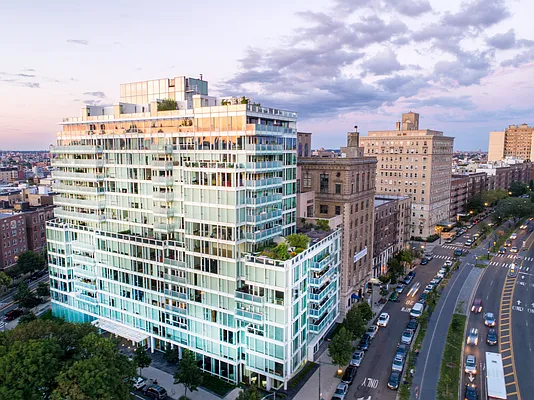
EN-POWER GROUP was featured on Habitat Magazine’s Problem Solved! For Co-ops and Condos podcast for its engineering support in helping a Brooklyn condominium overcome persistent comfort, repair, and energy performance challenges by taking a holistic approach to capital planning and system upgrades.


Context: When Traditional Fixes Don’t Work

At 1 Grand Army Plaza, a sleek all-glass condo in Brooklyn, residents dealt with sweltering corridors, uneven ventilation, and rising repair bills. Initial attempts to address these problems with like-for-like system replacements — “replacing A with A” — proved ineffective because they didn’t tackle underlying performance issues.


EN-POWER GROUP’s Role

In the podcast, Amalia Cuadra, Senior Director of Engineering at EN-POWER GROUP, explained that the real issue was a fundamental design flaw in the building’s ventilation system. Rather than pursuing superficial fixes, EN-POWER GROUP helped the board design a phased capital project that rebalanced airflow and improved system integration.

The firm’s approach restored comfort throughout the building, reduced unnecessary operating costs, and provided a performance-based solution that delivered long-term value without excessive capital outlay.


Results: Performance, Savings, and Improved Energy Grade

The engineered solution not only addressed comfort and ventilation problems, but also cut overall energy use, which in turn contributed to an improved energy letter grade for the building — a key compliance and market positioning metric in today’s New York City regulatory environment.

Cuadra emphasized that boards should move beyond incremental replacement strategies and instead adopt holistic, forward-looking capital planning that addresses root causes rather than symptoms.


Why This Matters for Co-op and Condo Boards

This feature highlights a common theme in multifamily building operations: when systems are treated in isolation (“A with A”), persistent issues often remain. Thoughtful engineering that examines system relationships and operational drivers can yield better comfort, lower energy costs, improved compliance, and fewer future repairs.


Media Attribution

This episode was featured on Habitat Magazine’s podcast Problem Solved! For Co-ops and Condos in Season 3, Episode 19, titled “The Condo that Stopped Replacing ‘A with A’.”
[Listen to the full podcast episode →]

EN-POWER GROUP Featured in Habitat Magazine on Cooling Tower and Fan Upgrades to Cut Carbon Emissions

EN-POWER GROUP was featured in Habitat Magazine for its work supporting a Brooklyn condominium that reduced carbon emissions and improved HVAC performance by upgrading rooftop cooling equipment and ventilation fans.


Context: Aging Cooling Infrastructure Drives Emissions

In many multifamily buildings, rooftop cooling towers and exhaust fans operate for decades with limited optimization. As equipment ages, efficiency declines, maintenance costs rise, and energy use increases — all of which contribute to higher carbon emissions and growing compliance risk under New York City’s climate laws.

For this Brooklyn condominium, aging rooftop equipment had become both a performance and sustainability concern.


EN-POWER GROUP’s Role

EN-POWER GROUP was engaged to evaluate the building’s cooling infrastructure and identify opportunities to improve performance without undertaking a full system replacement.

The scope included:

  • Upgrading the rooftop cooling tower to improve heat rejection efficiency

  • Replacing or reconfiguring exhaust and ventilation fans to better match actual building loads

  • Improving system balance to reduce unnecessary runtime and energy waste

Rather than oversizing equipment or defaulting to like-for-like replacements, EN-POWER GROUP focused on right-sizing and system coordination to improve overall efficiency.


Results: Lower Energy Use and Carbon Reduction

The upgraded cooling tower and fan systems reduced the building’s energy consumption during peak cooling months, directly lowering carbon emissions associated with HVAC operation.

By improving airflow and heat rejection efficiency, the building also reduced mechanical strain on equipment, supporting longer service life and more stable operation. These improvements positioned the condo to better manage current operating costs while reducing future exposure to carbon penalties.


Why This Matters for Co-op and Condo Boards

This feature highlights how targeted HVAC upgrades can deliver meaningful carbon reductions without requiring full system overhauls. Cooling towers and fans are often overlooked, yet they play a critical role in both energy performance and emissions.

Boards facing rising energy costs or Local Law 97 exposure can benefit from evaluating rooftop equipment as part of a broader capital planning strategy, particularly when upgrades can be phased and aligned with maintenance cycles.


Media Attribution

This project was originally featured in Habitat Magazine in the May 2025 issue.
[Read the full article on Habitat Magazine →]
EN-POWER GROUP Featured in Habitat Magazine on Riser Replacement Paired With Energy Upgrades

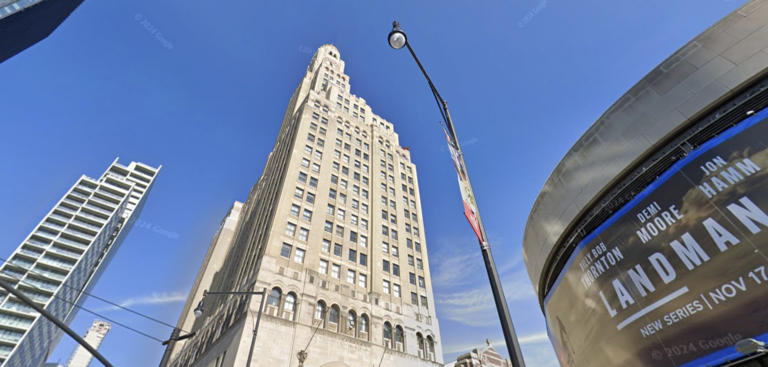
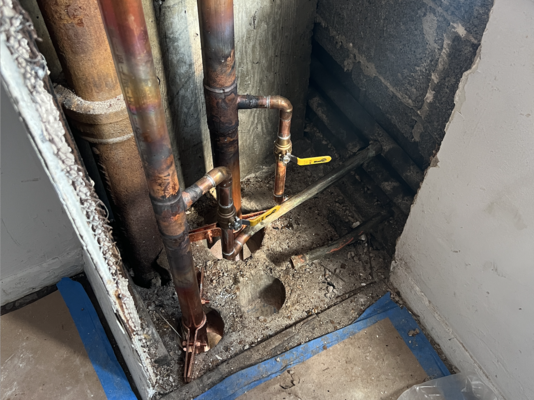
EN-POWER GROUP was featured in Habitat Magazine for its engineering and energy-efficiency role in a comprehensive capital improvement program that paired a riser replacement with major energy upgrades at The Victoria, a 495-unit Manhattan co-op.


Context: A Capital Necessity Evolves Into a Decarbonization Strategy

When aging risers burst and caused significant water damage, the board at The Victoria in Manhattan’s Flatiron District moved forward with a $10 million building-wide riser replacement. Rather than isolate this critical infrastructure project, the board paired it with strategic energy upgrades to manage financial risk and comply with New York City’s Local Law 97.


EN-POWER GROUP’s Role

EN-POWER GROUP provided engineering support for the energy components of the project, which included eliminating steam systems, installing modular heat pumps for heating, cooling, and domestic hot water, and deploying a hybrid system that recovers waste heat from cooling towers — approaches that significantly improve efficiency.

According to Amalia Cuadra, Senior Director at EN-POWER GROUP, these energy upgrades were designed to both reduce operational costs and cut emissions that would otherwise trigger Local Law 97 penalties.


Results: Penalty Avoidance and Energy Savings

EN-POWER GROUP estimates that the energy upgrades will deliver about $260,000 in annual savings, while Local Law 97 emission penalties once projected at more than $300,000 in 2030 have been eliminated through 2040.

The co-op also secured more than $1.1 million in incentives from the New York State Energy Research and Development Authority (NYSERDA) and utility partners to support heat recovery system installation.


Why This Matters for Co-op and Condo Boards

This feature illustrates how large capital improvement projects — often driven by aging infrastructure — can be leveraged to make impactful energy and emissions upgrades that align with compliance, financial performance, and long-term resilience.


Media Attribution

This topic was originally featured in Habitat Magazine in the January 2026 issue.
[Read the full article on Habitat Magazine →]
EN-POWER GROUP Featured in Habitat Magazine on Ventilation Upgrades at One Grand Army Plaza

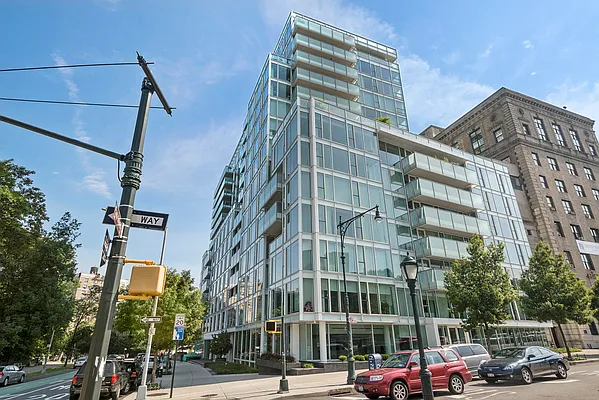
EN-POWER GROUP was featured in Habitat Magazine for its engineering role in a comprehensive ventilation equipment upgrade at One Grand Army Plaza, a 15-story condominium in Brooklyn’s Prospect Heights.


Context: Old Ventilation and Summer Discomfort

Board members and residents at One Grand Army Plaza were facing longstanding indoor air quality and humidity problems that made hallways uncomfortable during warm months. The building also carried a “D” energy efficiency grade, signaling significant opportunity for improvement.


EN-POWER GROUP’s Role

EN-POWER GROUP was engaged to evaluate the building’s rooftop ventilation system and recommend a modern solution. The firm’s analysis found that:

  • The fresh air intake unit was poorly designed and undersized for the building’s needs

  • The rooftop fresh air intake was positioned near the cooling tower discharge, drawing hot, humid air back into the system

  • Oversized exhaust fans worked inefficiently against these conditions

EN-POWER GROUP’s Amalia Cuadra, Senior Director of Engineering, led the holistic redesign, right-sizing the fresh air intake, coordinating the cooling tower and exhaust fan upgrades, and improving system balance to better serve building loads.


Results: Comfort and Energy Savings

Rather than replace equipment on a like-for-like basis, the board followed a comprehensive upgrade strategy recommended by EN-POWER GROUP. This included replacing the rooftop intake unit, cooling tower, and exhaust fans in a coordinated plan that also reduced airflow where appropriate — cutting fan airflow from 400 CFM to 200 CFM, improving efficiency.

The $1.1 million project is expected to deliver approximately $40,000 in annual energy savings while addressing humidity, comfort, and long-term equipment performance — a tangible step forward for both resident experience and efficiency.


Why This Matters for Co-op and Condo Boards

This upgrade demonstrates how strategic, system-level thinking can turn a persistent operational problem into a capital project that improves comfort, reduces waste, and lowers operating costs. Ventilation systems may not be the most visible equipment on a building — but when they’re optimized, the payoff can be wide-ranging.


Media Attribution

This project was originally featured in Habitat Magazine’s Bricks & Bucks section in the March 2025 issue.
[Read the full article on Habitat Magazine →]

EN-POWER GROUP Featured in Skylight Magazine on Real-Time Energy Management for Multifamily Buildings

EN-POWER GROUP was featured in Skylight Magazine for its perspective on how Real-Time Energy Management (RTEM) technology is changing the way multifamily buildings monitor and optimize energy use.


Context: From Reactive to Proactive Building Operations

Traditional building management often relies on scheduled maintenance or responding after equipment failures occur. RTEM shifts this approach by providing continuous, real-time data on system performance, allowing building operators to identify inefficiencies and anomalies before they escalate into costly problems.


EN-POWER GROUP’s Perspective

As outlined in the article, EN-POWER GROUP emphasized that RTEM delivers the greatest value when applied to systems with the largest energy impact, such as heating and cooling. By analyzing live performance data, buildings gain the ability to fine-tune operations, respond to changing conditions, and verify that systems are operating as designed.


Results: Actionable Insights and Ongoing Optimization

RTEM enables ongoing optimization rather than one-time adjustments. Buildings using this technology can reduce energy waste, improve occupant comfort, and support data-driven decision-making for future capital investments.


Why This Matters for Co-op and Condo Boards

This feature highlights RTEM as a practical tool for boards seeking greater visibility into building performance. When combined with experienced engineering oversight, real-time data becomes a powerful driver of sustained energy savings and operational reliability.


Media Attribution

This topic was originally featured in Skylight Magazine, Edition 6.

[Read the full article on Real Time Energy Management →]

EN-POWER GROUP Featured in Skylight Magazine on Clean Energy Leadership at a South Bronx Co-op

EN-POWER GROUP was featured in Skylight Magazine for its role in supporting a South Bronx cooperative that has emerged as a model for how multifamily buildings can pursue clean energy upgrades while strengthening long-term building performance.


Context: Raising the Bar for Building Sustainability

In neighborhoods that have historically borne the impacts of aging infrastructure and environmental burdens, multifamily buildings are increasingly taking a proactive role in improving energy performance. The South Bronx co-op highlighted in Skylight set out to make strategic investments that would reduce energy use, stabilize operating costs, and position the building for future regulatory and climate challenges.


EN-POWER GROUP’s Role

EN-POWER GROUP worked with the cooperative to evaluate building systems and identify opportunities for high-impact upgrades. The scope included improving core mechanical systems, advancing energy monitoring capabilities, and integrating clean energy solutions that could deliver measurable benefits without sacrificing reliability.

By approaching the project holistically, EN-POWER GROUP helped the board move beyond isolated upgrades toward a coordinated strategy that aligned capital planning, sustainability goals, and resident needs.


Results: Performance, Savings, and Resilience

The resulting improvements enhanced overall building efficiency, reduced energy waste, and strengthened resilience against utility disruptions. These upgrades also positioned the co-op to better manage future carbon compliance requirements while maintaining affordability for residents.


Why This Matters for Co-op and Condo Boards

This feature demonstrates that meaningful clean energy progress is achievable at the building level. With informed planning and experienced engineering support, co-ops can pursue sustainability initiatives that deliver both environmental and financial returns.


Media Attribution

This project was originally featured in Skylight Magazine, Edition 6.

[Read the full case study from Skylight Magazine here →]

EN-POWER GROUP Featured in Habitat Magazine on Financing a Central AC Overhaul

EN-POWER GROUP was featured in Habitat Magazine for its role in helping Newport East, a New York City co-op, modernize its aging central cooling system through energy-efficient upgrades, utility incentives, and long-term capital planning.


Project Overview: Modernizing an Aging Cooling System

Newport East’s 25-year-old central cooling system had become unreliable, requiring repeated repairs and creating ongoing operational challenges for the building. Facing rising maintenance issues, the co-op board sought a long-term solution that would improve performance while controlling costs.

To evaluate their options, the board engaged Michael Scorrano, Managing Director at EN-POWER GROUP, to conduct a comprehensive review of potential energy-efficiency upgrades and available financial incentives.


EN-POWER GROUP’s Approach

According to Scorrano, the process began with identifying opportunities to improve efficiency while reducing upfront costs through rebates and incentives.

Key steps included:

  • Evaluating system efficiency and replacement options

  • Securing incentives through NYSERDA and Con Edison

  • Transitioning from oil to natural gas

  • Implementing lighting upgrades

  • Planning for a new, integrated cooling and heating system

This phased, data-driven approach allowed the building to modernize critical infrastructure while minimizing financial strain.


Results: Efficiency, Savings, and Long-Term Value

The $1.4 million project centered on installing high-performance chillers that not only cool the building but also capture waste heat to fuel the hot-water boilers.

During summer months, the building’s domestic hot water is heated entirely by recovered heat from the chillers, resulting in:

  • Lower operating costs

  • Reduced maintenance needs

  • A smaller environmental footprint

According to Scorrano, the co-op now saves more than $175,000 annually in energy costs.

The project was completed on budget, supported in part by a $250,000 NYSERDA rebate, which helped replenish the building’s reserve fund.


Why This Matters for Co-op and Condo Boards

This project highlights how strategic engineering analysis, paired with incentive expertise, can turn a necessary system replacement into a long-term financial and operational win. Rather than reacting to failures, proactive planning allowed Newport East to improve reliability, reduce costs, and future-proof its building systems.


Media Attribution

This project was originally featured in Habitat Magazine on November 17, 2016.
[Read the full article on Habitat Magazine →]

EN-POWER GROUP Announces Launch of Updated Website Focused on Decarbonization and Compliance Clarity

EN-POWER GROUP announced the launch of its updated website, marking a new chapter in how the firm shares its engineering, decarbonization, and compliance expertise with building owners, managers, and decision-makers.


Context: Making Complex Energy Decisions Easier

After more than two decades supporting buildings through energy efficiency, system upgrades, and evolving regulations, EN-POWER GROUP redesigned its website to better reflect how buildings actually make decisions. The new platform organizes services and resources around building priorities, helping users find relevant guidance more quickly and confidently.


What’s New

The updated website introduces a clearer, more practical experience for users navigating complex energy and compliance challenges. Key improvements include:

  • Services organized by building needs, allowing users to identify relevant solutions faster

  • Clear visibility into local laws and compliance timelines, including Local Law updates and deadlines

  • Plain-language explanations focused on outcomes such as cost reduction, risk mitigation, and energy savings

  • Real-world project examples, showcasing results from buildings facing similar challenges

Each page is designed to prioritize clarity over jargon, helping users understand not just what services are offered, but why they matter.


Why This Matters for Building Owners and Partners

As regulations, incentives, and energy technologies continue to evolve, access to clear, reliable information is increasingly important. The new EN-POWER GROUP website reflects the firm’s commitment to practical guidance and proven results, giving building stakeholders a trusted resource to support informed decision-making.

EN-POWER GROUP Featured in Engineering News-Record on Retrofitting Residential Buildings

EN-POWER GROUP was featured in Engineering News-Record New York for its expertise in improving energy performance in multifamily residential buildings through targeted retrofits and modernized boiler controls.


Context: Energy Audits and Practical Retrofits

Energy audits for multifamily buildings over 50,000 square feet are now mandated in New York City and often reveal a consistent set of cost-effective opportunities to reduce energy consumption. These retrofits focus on optimizing existing building systems rather than introducing complex or unfamiliar technologies.

As noted in the article, effective retrofitting is not about adding green roofs or solar panels. It is about making existing buildings operate the way they were intended to.


EN-POWER GROUP’s Role

EN-POWER GROUP Managing Director Michael Scorrano provided technical insight on how outdated boiler controls can significantly increase fuel use through short cycling and inefficient system operation.

At a 20-story, 151-unit co-op located at 180 East End Avenue in New York City, EN-POWER GROUP supported the replacement of antiquated steam boiler controls with Heat Timer controls featuring outdoor temperature resets.

According to Scorrano, the previous controls caused frequent boiler short cycling, which led to unnecessary fuel consumption and higher operating costs.


How Modern Controls Improve Performance

The article also highlights alternative retrofit approaches, including the installation of apartment-level temperature sensors that communicate directly with boiler systems.

These controls allow hydronic loops to adjust more precisely by:

  • Running systems longer when needed

  • Turning off pumps once internal temperature demands are met

  • Reducing overall energy waste without compromising comfort

This approach enables buildings to improve efficiency while extending equipment life and reducing operational strain.


Why This Matters for Multifamily Buildings

This feature underscores how relatively modest upgrades to controls and system logic can deliver meaningful energy savings in residential buildings. By focusing on how systems operate day to day, building owners can reduce fuel use, improve comfort, and comply with audit requirements without undertaking major capital projects.


Media Attribution

This project was originally featured in Engineering News-Record New York on March 1, 2010.
[Read the full article on Engineering News-Record New York →]